



The 158FW operates essential emergency infrastructure, including the Fire Crash & Rescue Station, which provides 24/7 emergency services to the Vermont Air National Guard, the Leahy Burlington International Airport, and surrounding communities. Maintaining uninterrupted power during grid outages—particularly during severe weather events common in Vermont—was a top priority.
At the same time, the Wing sought to expand its already significant renewable energy footprint to reduce dependence on fossil fuels while improving long-term energy security.
Sinclair Digital implemented a modular, containerized Battery Energy Storage System paired with an advanced EMS / Microgrid Controller to complement the expanded solar array. This integrated solution enables the site to:
“At Sinclair Digital, we deliver energy resiliency as a fully integrated, end-to-end solution. From initial consultation and site assessment through system design, financial and ROI modeling, deployment, testing, and commissioning, our team manages every phase of the project,” states Matt Conger, Chief Revenue Officer, Sinclair Digital. “Once operational, we continue to support the system to ensure long-term performance and reliability. Facilities that require dependable, mission-critical power choose Sinclair Digital because we design and deploy solutions that work seamlessly—when it matters most.”
LN Consulting Inc, a consulting engineering firm headquartered in Burlington Vermont, was commissioned by the Vermont Air National Guard (VTANG) to provide engineering services to implement a photovoltaic (PV) and battery energy storage system (BESS) microgrid which would be used to provide backup power to the base main fire station as well as supplement electric utility energy use.
“In addition to working with Sinclair on the microgrid, the project also involved making changes to the base 7.2/12.47 kV electrical distribution system, interconnecting the microgrid to this system, designing the 480 volt electrical distribution interconnection between the PV, BESS and fire station and implementing communications between the microgrid and the base’s building management system (BMS) system,” states John Askew, Principal at LN Consulting.
Renewable Energy Integration
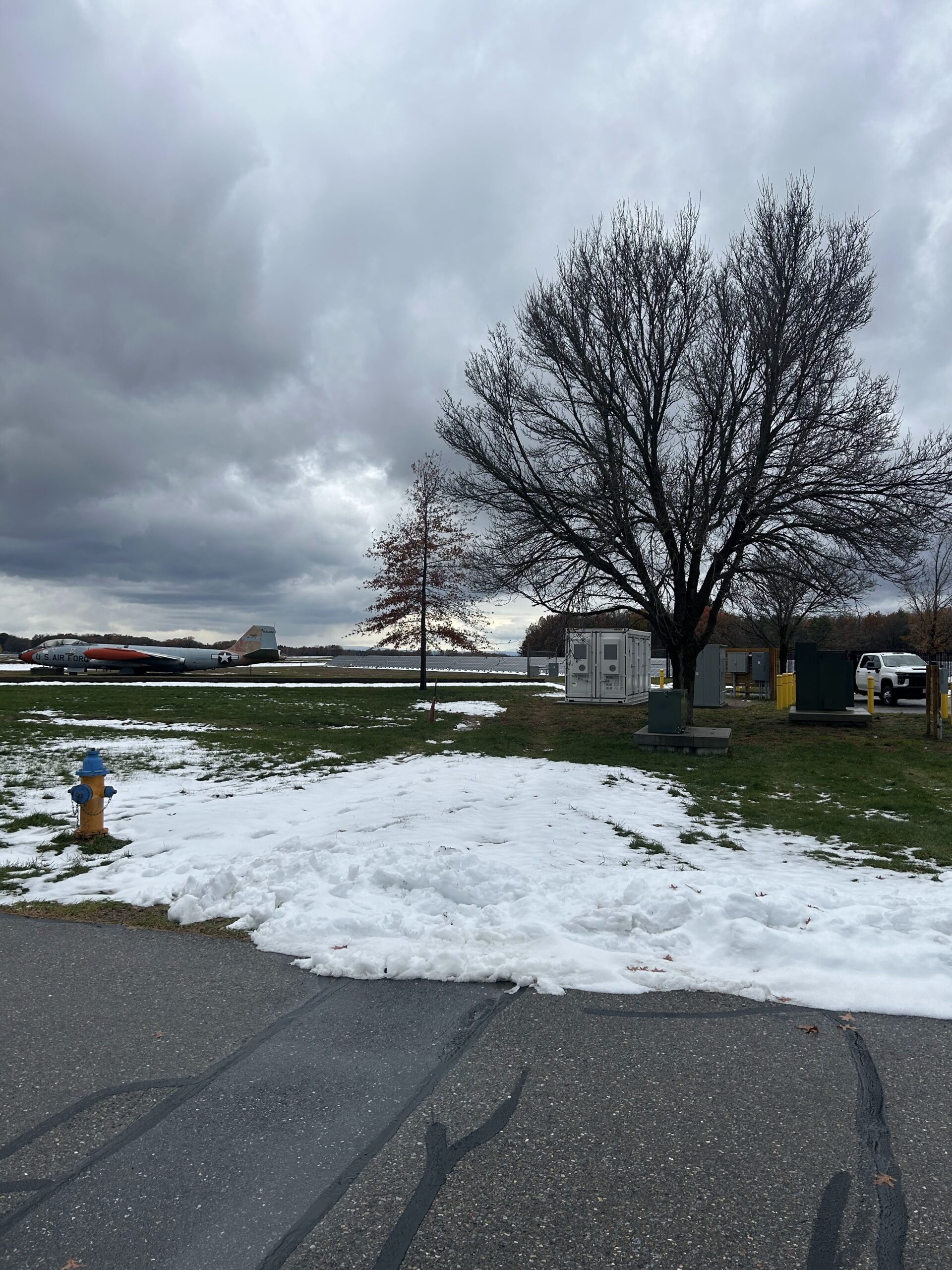
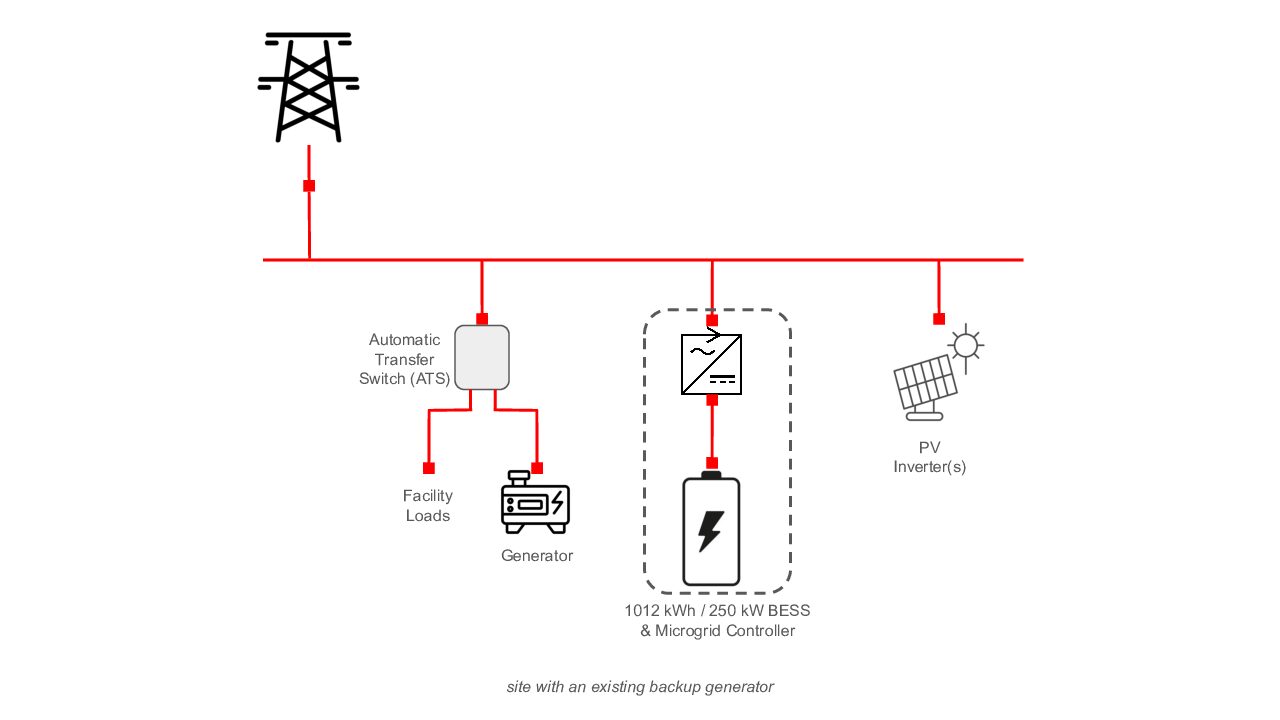
The project includes the expansion of the large solar array adjacent to the base fire station. The system converts sunlight into DC power via the PV array and uses inverters to convert DC power into usable AC power. The system supplies power directly to the Fire Crash & Rescue Station and stores excess energy in the BESS. This configuration enables the facility to operate independently from the grid during outages while maximizing the use of renewable energy.
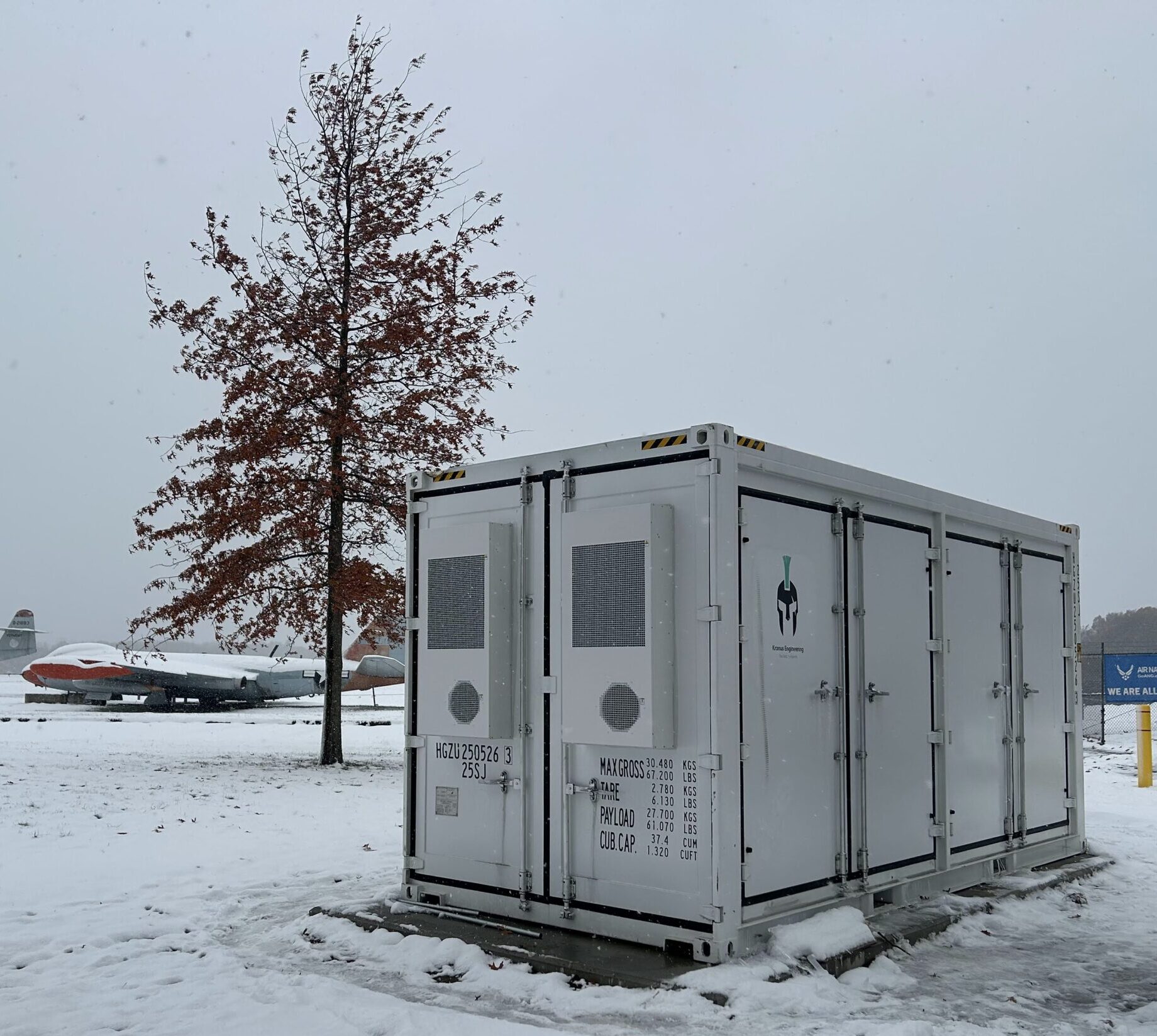
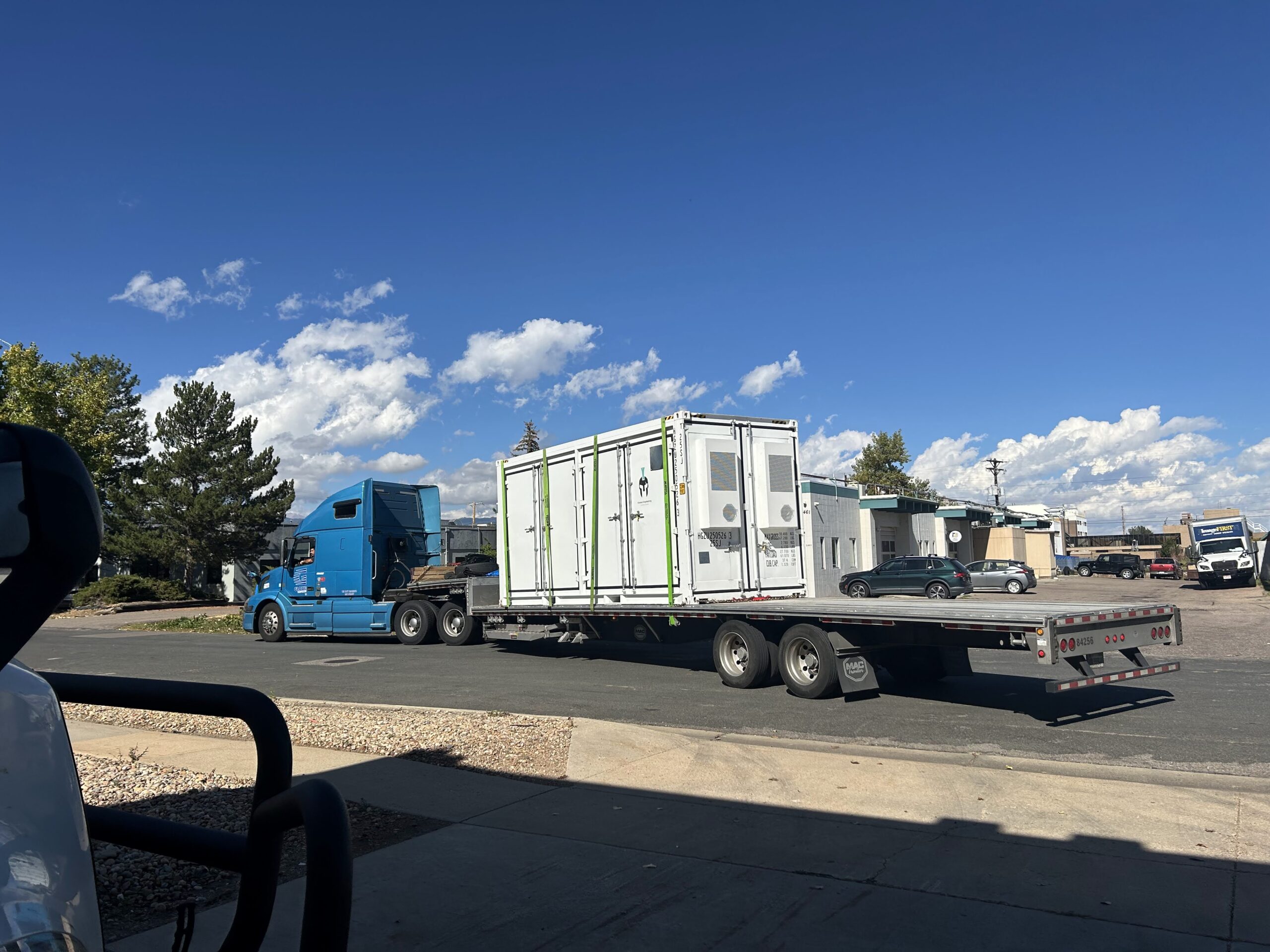
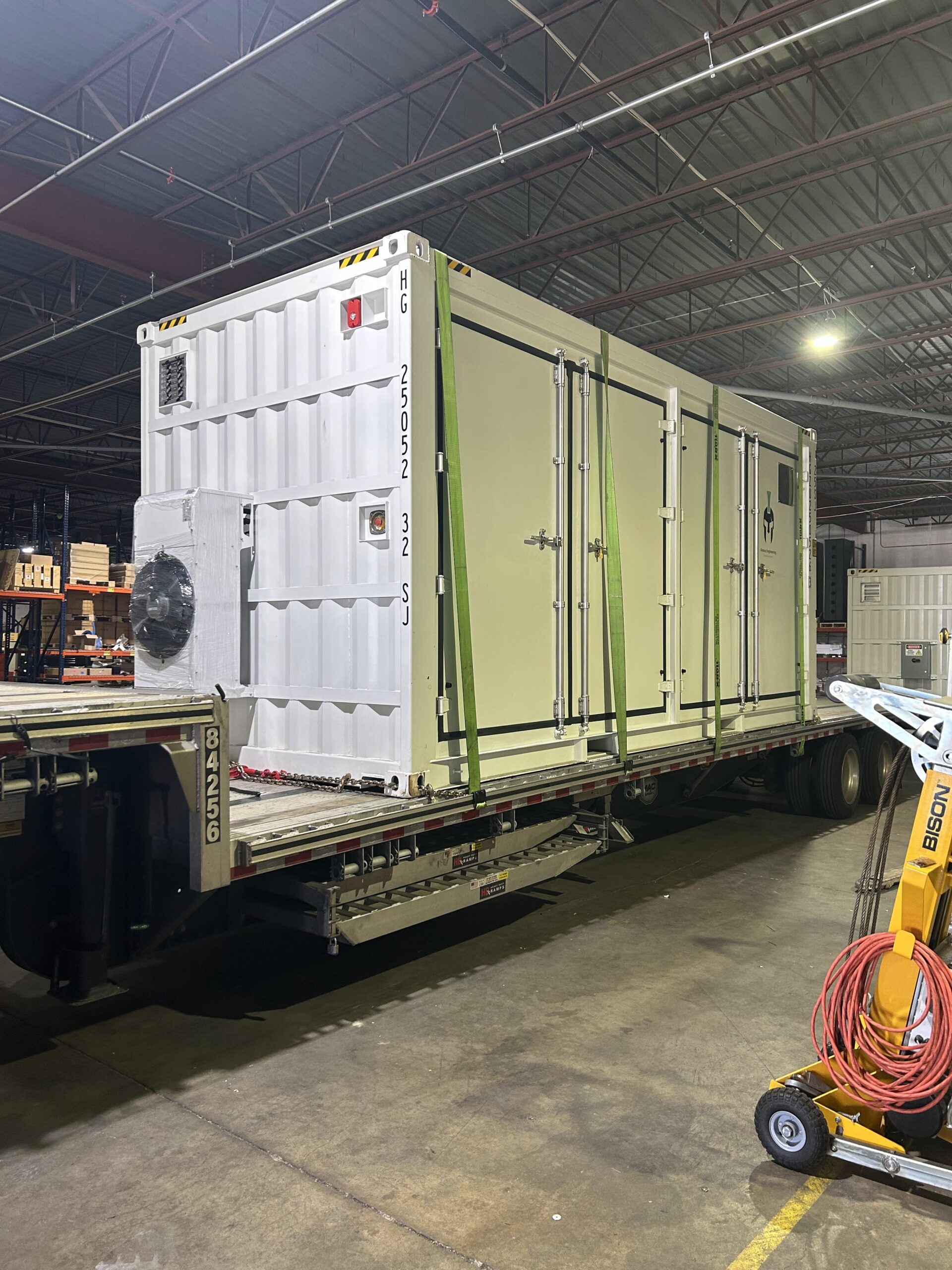
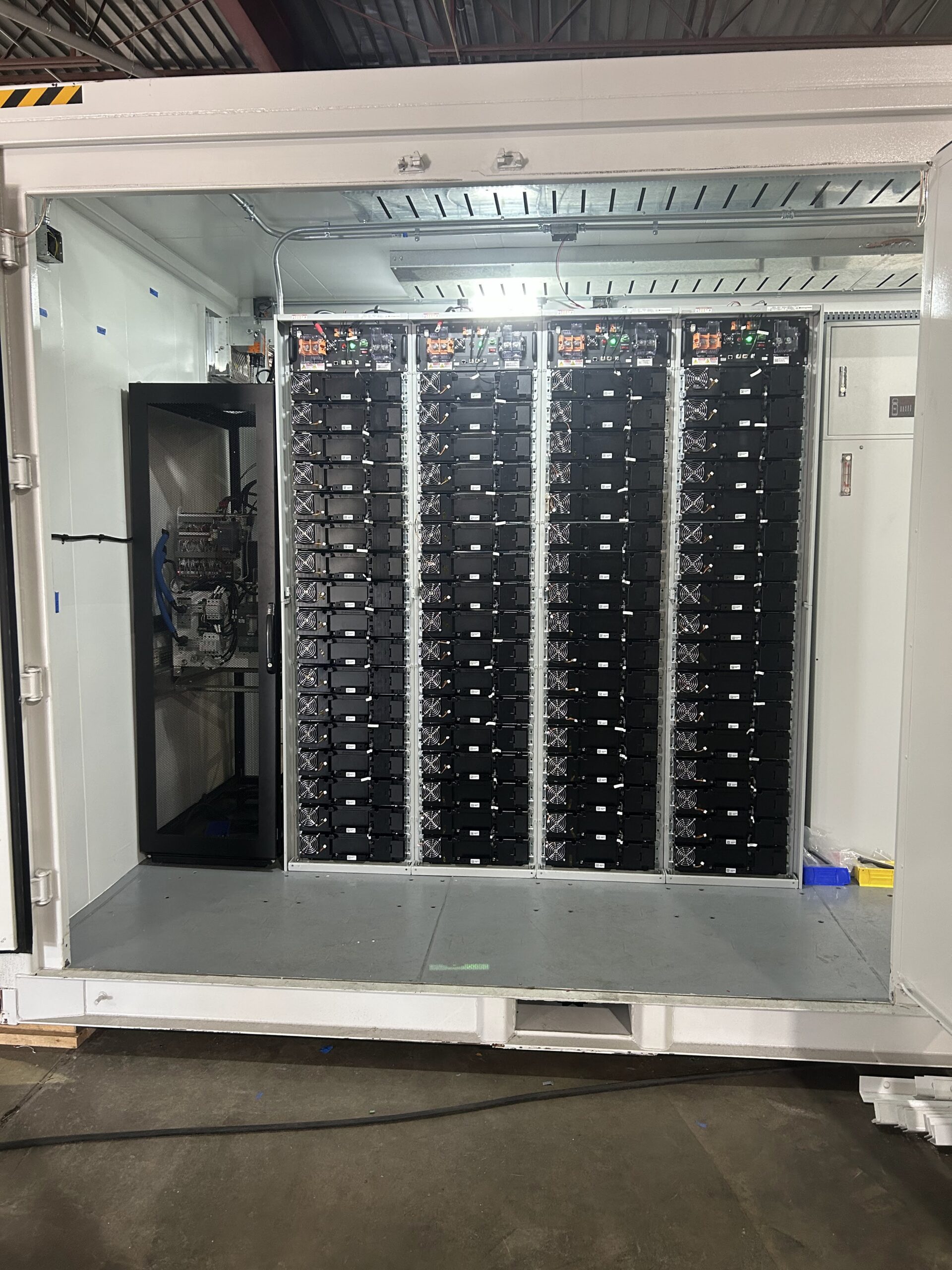
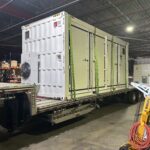
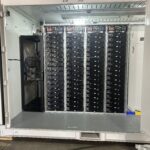
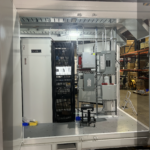
The containerized BESS provides 250 kW rated AC output power with a usable energy capacity of 1012 kWh. The batteries are housed in a corrosion-resistant climate controlled 20′ steel container to maintain optimal battery/inverter temperatures. The conditioned container allows the system to operate reliably during snow, rain, and other harsh weather conditions while enabling safe access for maintenance and service.
The BESS allows for a 12-hour run time to power the Fire Crash & Rescue Station, which provides emergency services for the Vermont Air National Guard. Sinclair Digital designed the Battery Energy Storage System to support overnight operations until solar generation is available. The system is managed by an integrated microgrid controller that automatically prioritizes solar and stored energy, while seamlessly coordinating with the station’s diesel generator during extended outages. This intelligent approach ensures reliable, hands-off operation and continuous power for mission-critical emergency services.
The EMS serves as the supervisory control layer for the system, coordinating battery charge and discharge operations, power conversion between DC and AC, grid interaction and islanding transitions. The EMS optimizes the integration of multiple distributed energy resources (DERs), including solar PV, BESS and diesel generator. When operating as a microgrid controller, the EMS ensures optimal performance, safety, and economic operation while prioritizing mission-critical loads.
The project includes the expansion of the large solar array adjacent to the base fire station. The system converts sunlight into DC power via the PV array and uses inverters to convert DC power into usable AC power. The system supplies power directly to the Fire Crash & Rescue Station and stores excess energy in the BESS. This configuration enables the facility to operate independently from the grid during outages while maximizing the use of renewable energy.
While the combined financial savings of these projects are significant, the primary outcomes include:
Through this project, Sinclair Digital helped deliver a scalable, resilient energy infrastructure that supports both operational continuity and long-term sustainability goals for the Vermont Air National Guard.
