School districts across the country are facing a brutal mathematical reality. Student enrollment is dipping, the final “fiscal cliff” of COVID relief funding has arrived, and federal support is tightening. The result? Districts are being forced to manage aging, half-empty buildings that drain resources away from the one thing that actually matters: education.
Consolidation is often viewed by the community as a loss. But when executed with a forward-thinking infrastructure strategy, consolidation presents a paradox: By operating fewer buildings, districts can actually deliver a significantly higher standard of education.
The District Problem: The Triple Threat
Most superintendents and school boards are currently trapped between three converging crises:
- The Enrollment Slide: Birth rates and shifting demographics have left many districts with a surplus of square footage.
- The Funding Gap: With ESSER funds evaporated and inflation driving up operational costs, maintaining multiple legacy buildings is no longer sustainable.
- Community Resistance: Parents are understandably protective of their local schools. To win their support, a consolidated “mega-campus” or modernized hub must offer a clear, tangible upgrade in technology and safety.
The challenge is that modernizing these consolidated facilities usually comes with a staggering price tag. Traditional “Category cable” infrastructure is labor-intensive, requires expensive equipment rooms (IDFs), and offers very little flexibility for future changes.
The AGILE-CORE® Opportunity: Making the Math Work
This is where the financial and pedagogical math finally aligns. To make consolidation successful, the new or renovated facility must be an “AI-ready” environment that supports modern pedagogy—and it must be built on a razor-thin budget.
AGILE-CORE® changes the conversation by modernizing the school’s physical layer at a lower installed cost than conventional cabling.
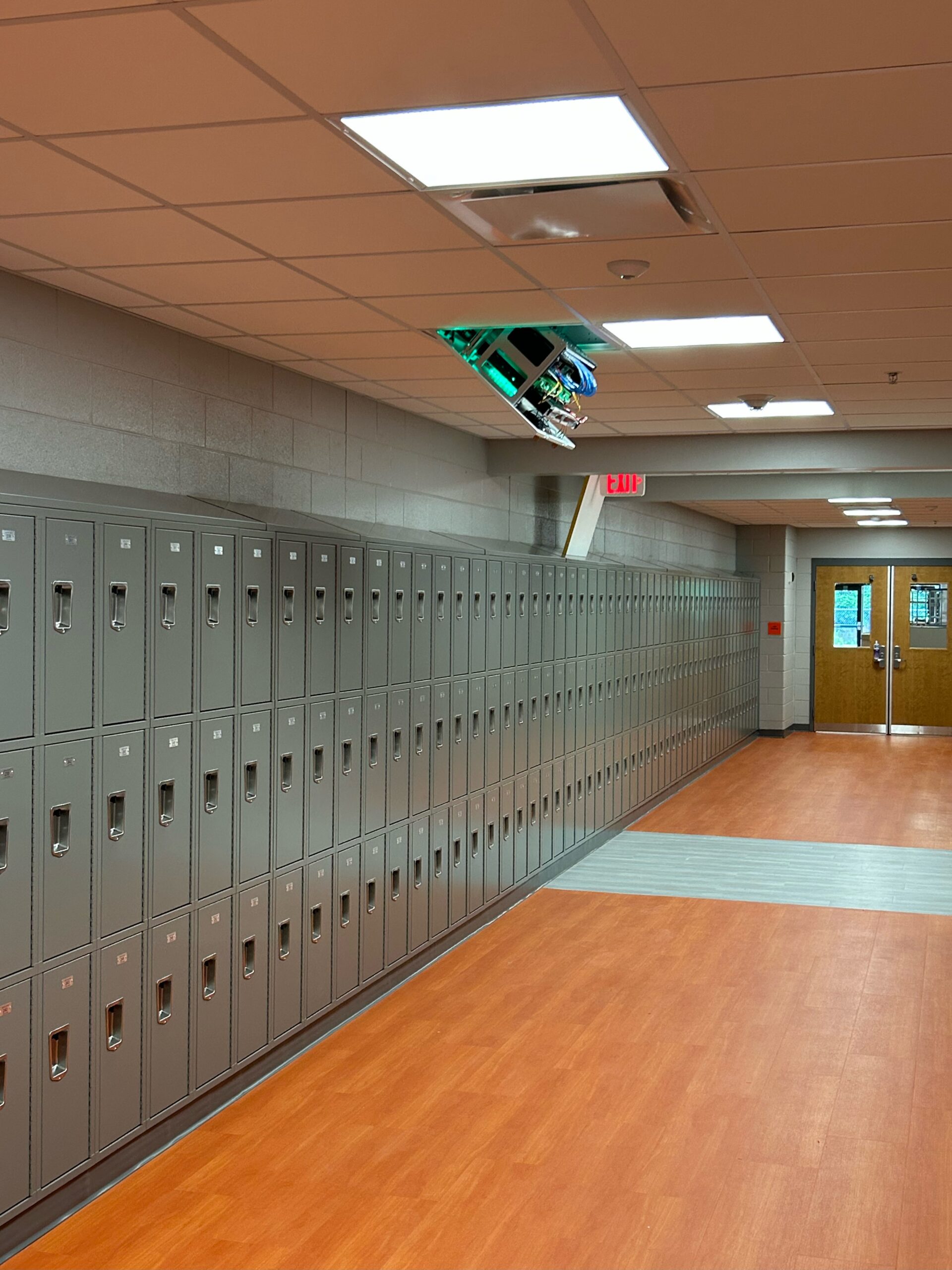
- Eliminate the “IDF Tax”: Traditional designs require multiple conditioned closets per floor. AGILE-CORE® uses a distributed architecture that eliminates these closets, reclaiming that square footage for specialized labs, maker spaces, or mental health suites.
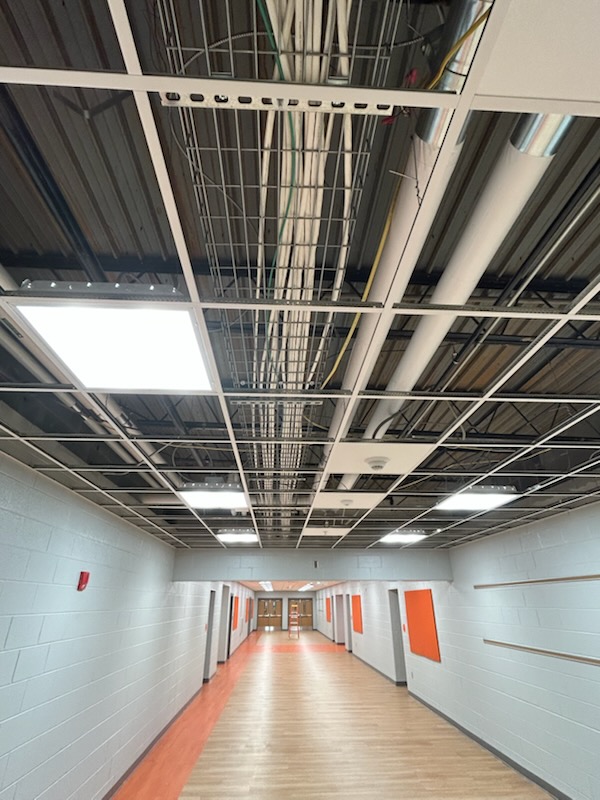
- Safe, Scalable Power: By utilizing Fault Managed Power (FMP), districts can deliver high-speed connectivity and power to security cameras, smart lighting, and Wi-Fi 7 access points in a single, safe pull.
- Infrastructure for the Next 20 Years: While legacy copper cabling has a limited “ceiling,” the AGILE-CORE® fabric embeds dark fiber for future bandwidth scaling and dormant copper for power density. This ensures the district won’t have to “rip and replace” in five years when technology evolves again.
Better Education Through Better Infrastructure
The paradox of consolidation is that it allows a district to stop “paying for the past” and start investing in the future. By moving from five aging buildings to three high-performance campuses, districts can redirect millions from utility bills and roof repairs back into teacher salaries and advanced learning technology.
With AGILE-CORE®, the infrastructure isn’t just a utility—it’s the platform that makes modernization affordable. We help districts bridge the gap between a difficult fiscal reality and the high-tech learning environment their students deserve.
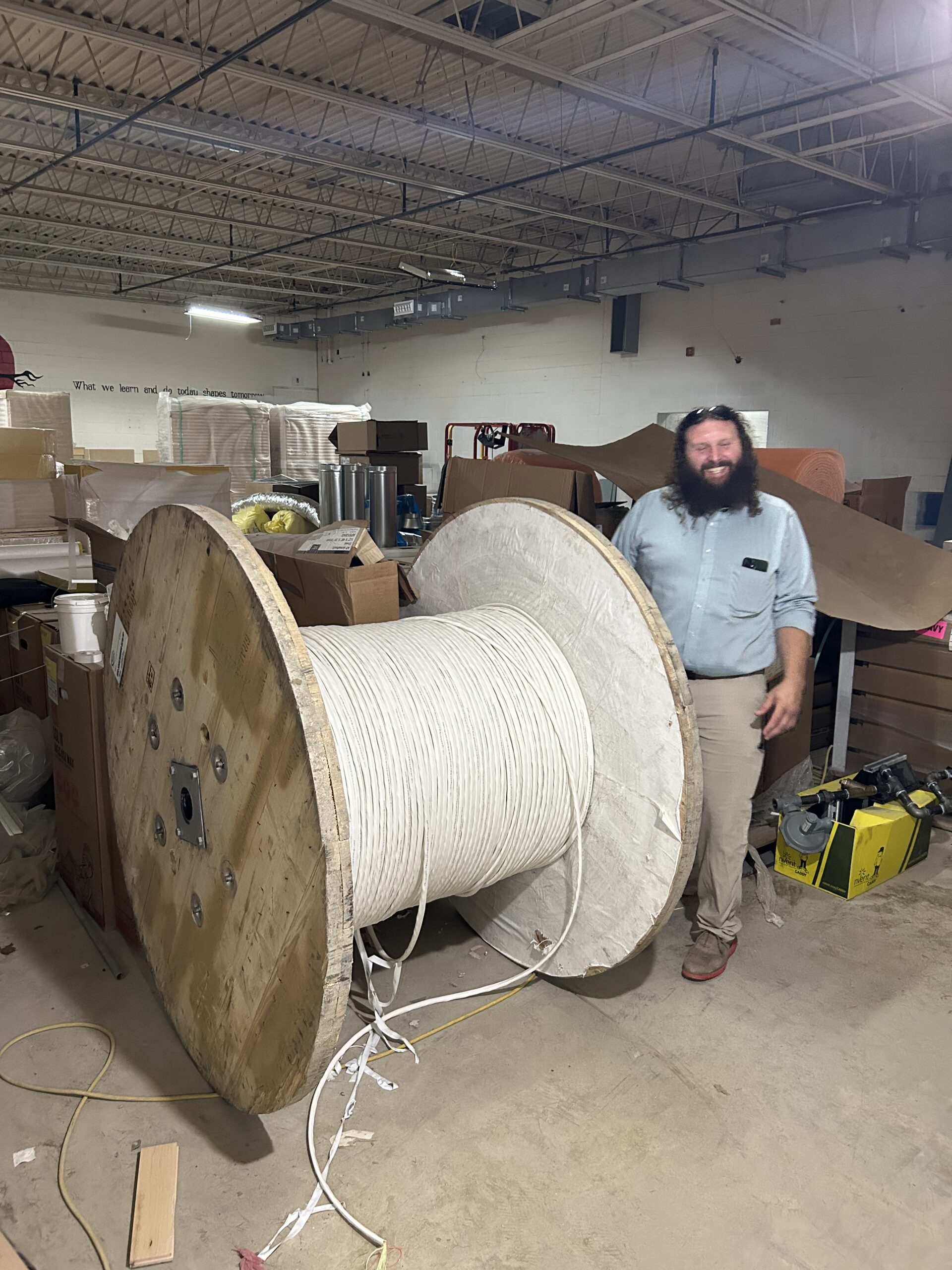
See it in Action: Richwood Academic Complex Consolidated Two Schools with One 50 Year IT Infrastructure and Saved $1M
Theory is one thing; results are another. Discover how Richwood County, WV, successfully navigated the challenges of building an IT network to support the demands of an elementary and middle school for the next 50 years. By deploying AGILE-CORE®, they transformed their facility into a high-performance, future-proof campus without the high cost of traditional infrastructure.